Mixing
A mix is a series of small decisions about balance, tone, space and movement. Each one is easy on its own; the difficulty is keeping them consistent across a whole song while your ears get used to what they hear.
The mixing guides go element by element and process by process: EQ in context, the kick and the low end, reverb types and delay throws, panning and width, automation, and a structured way to review your own work with fresh ears and matched references.
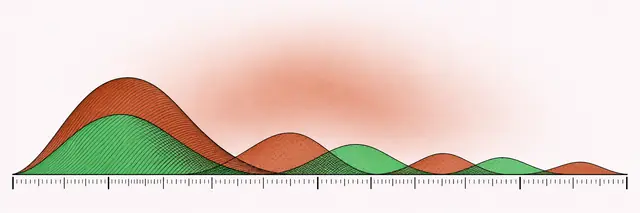
EQ for Electronic Music: Kick, Sub, Synths and the Air Band
By the end you will know where the kick and sub should sit, how to clear space for dense synths, how an air shelf adds openness without harshness, and which mastering EQ moves stay small and safe.
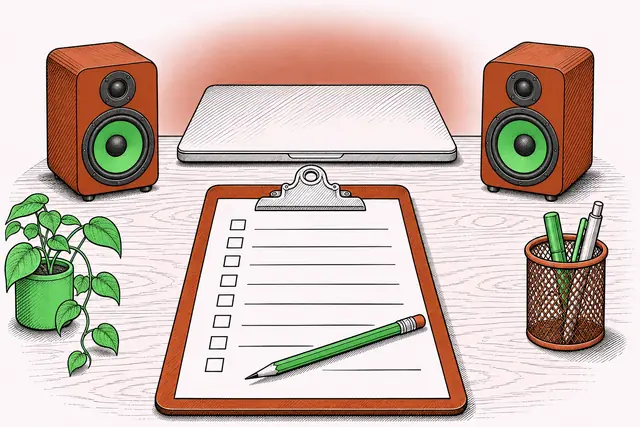
How to Review Your Own Mix: A Structured Checklist
This checklist turns a vague feeling that a mix is not quite there into a list of specific, fixable notes, from levels and low end to translation on several playback systems.
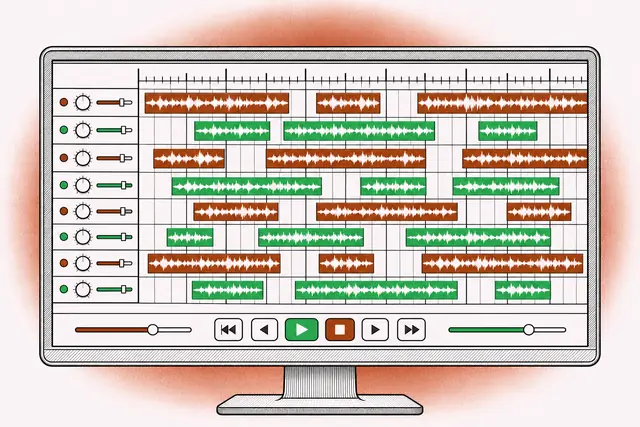
How to Approach a Remix From Stems: Tempo, Key and Arrangement
By the end of this guide you will be able to load a set of stems, lock them to a grid, pick the parts worth keeping and build a remix arrangement that stands on its own.
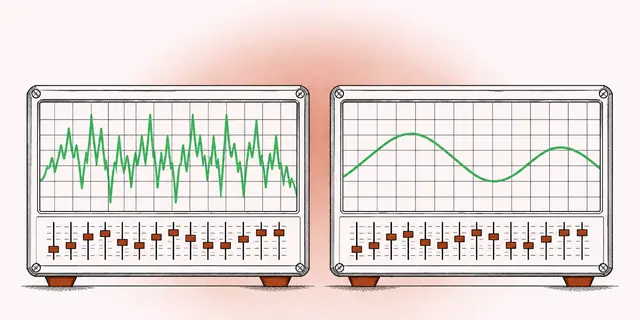
Common EQ Mistakes and Why EQ Belongs in Context
Learn to spot the EQ habits that make a mix worse while seeming to improve it, and replace them with a simple routine that judges every move with the whole song playing.
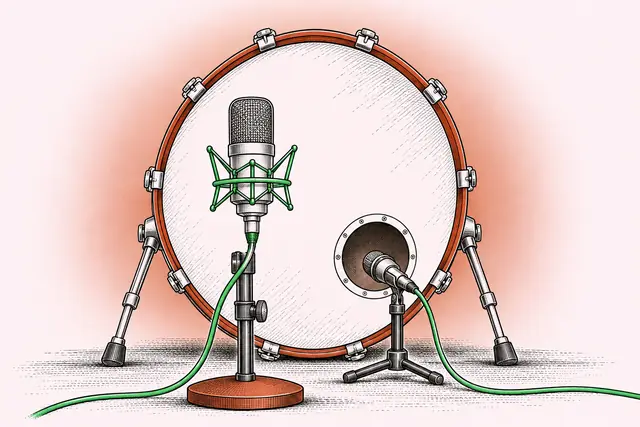
Mixing the Kick Drum: Weight, Click, Compression and Bass
You will learn where a kick's weight, box and beater live, how to shape them with EQ and compression, how to make the kick and bass share the low end, and how to layer samples without phase trouble.
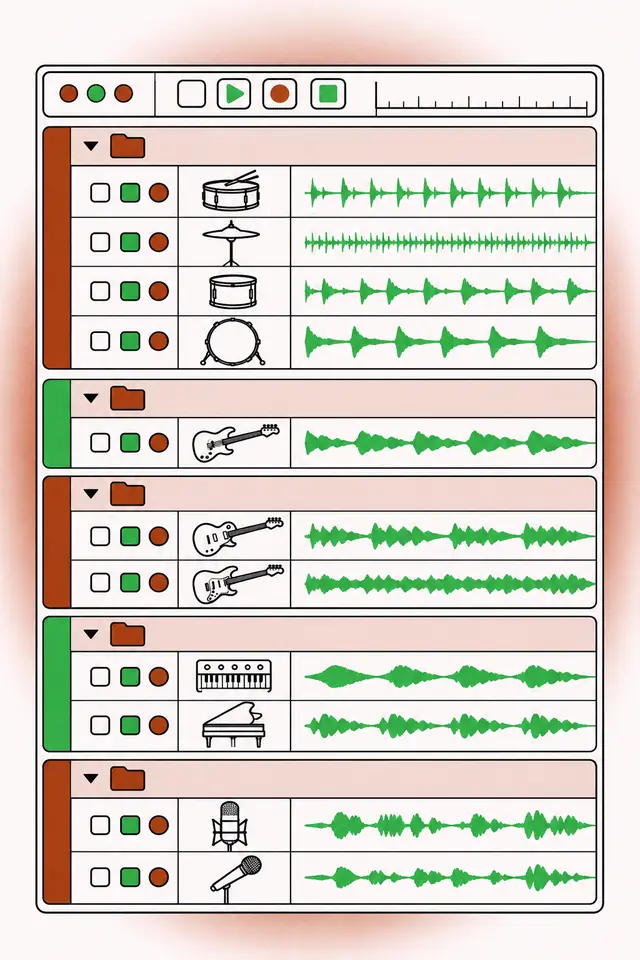
Five Vital Things to Do Before You Start a New Mixing Project
Before you reach for EQ or compression, five simple preparations make every later decision faster and more reliable. This guide shows how to set up a session so the mix starts on solid ground.
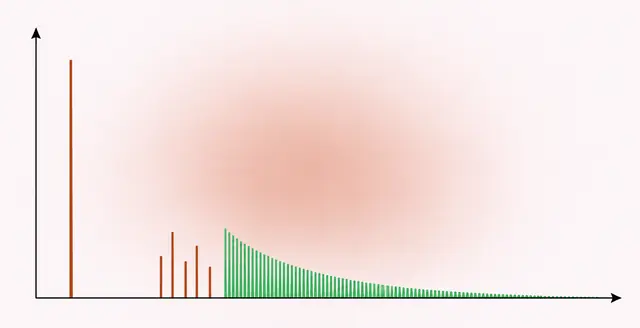
Reverb Types Explained: Room, Plate, Hall, Chamber and Spring
This guide explains what each classic reverb type sounds like, which parameters shape it, and how to set up reverb sends so you can place every sound at a chosen depth without washing out the mix.