Compression & Dynamics
Compression is the processor people reach for first and understand last. It changes level over time, so its effect depends on the timing settings as much as on the threshold and ratio, and two compressors with the same settings can sound different because their circuits react differently.
Start with the guide on compressor types to see how VCA, FET, optical and variable-mu designs behave, then move to the technique guides on bus glue, parallel blends, sidechain ducking and taming sibilance.
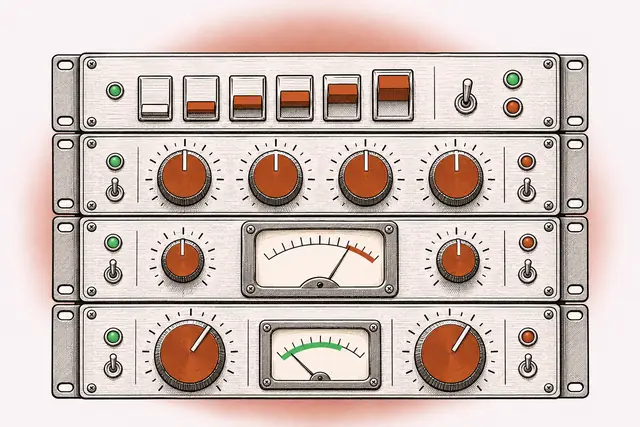
Compressor Types Explained: VCA, FET, Optical, Vari-Mu and Digital
This guide explains the main compressor designs, why each one reacts the way it does, and how to pick the right type for drums, vocals, bass and the mix bus.
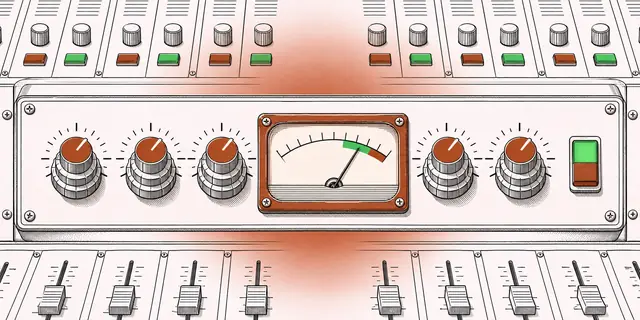
The SSL-Style Bus Compressor Explained: Controls and Settings
Read this to understand the console bus compressor that shaped decades of pop mixes, set its threshold, ratio, attack and release with intent, and apply it to a mix bus or drum group.
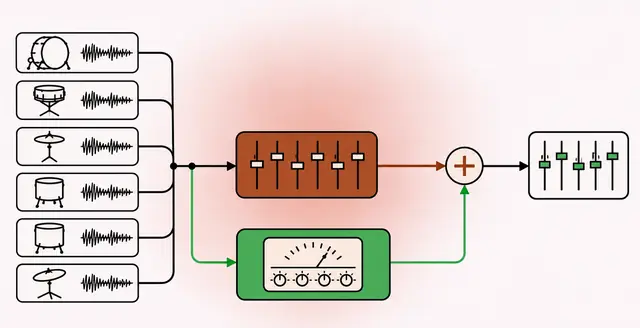
Parallel Compression: Blending Dense and Dry on Drums, Vocals and Bass
After this guide you will be able to set up parallel compression with a bus or a mix knob, choose aggressive settings for the compressed copy, and blend it so the track gets denser without losing its punch.
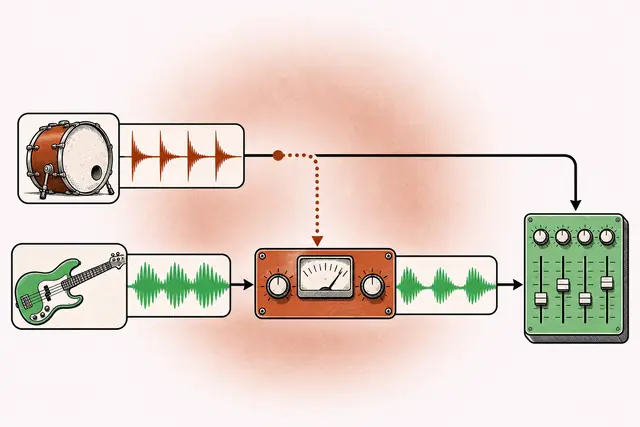
Sidechain Compression: Ducking, Kick and Bass, and Voiceover Control
This guide shows how to route an external key into a compressor, set it for kick and bass or voice over music, filter the key for subtle control, and when a volume shaper does the job better.